
Navigating the Costs of Long-Term Care
-
January 29, 2025
| -
By Mary Day
|
Planning for the future requires more than just writing a will and choosing a power of attorney. It should also include discussing options for long-term care, such as assisted living or skilled nursing, in case it is needed in the future. It’s important to consider the cost of long-term care and how it will be paid for. According to Health & Human Services in 2019, almost 70% of adults aged 65 and older will require long-term care at some point, and 20% of them will need care for 5 years or longer.
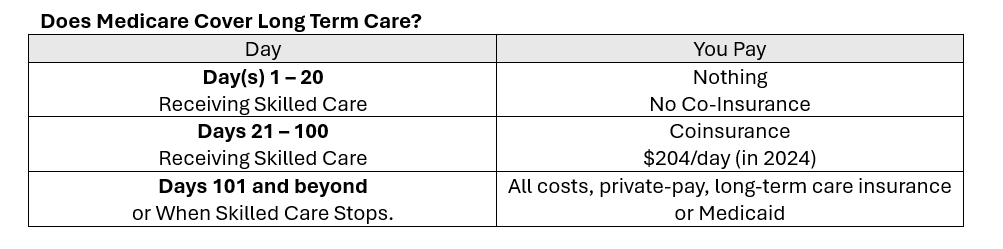

In Ohio, the cost of nursing home care is quite high, with an average cost of over $8,000 per month. Some facilities charge as much as $15,000 or even more. If you have savings, the cost of nursing home care can quickly deplete it. However, once your assets reach a threshold of $2,000 (in addition to a home, car, and burial expenses), you can apply for Medicaid. Any Social Security income or pension will go towards paying for your nursing home care, and the remaining balance will be paid by the state Medicaid program.
Some people choose to purchase long-term care insurance before the need arises. It is important to carefully examine the policy details, such as the circumstances under which the policy will become fully activated. The Ohio Department of Insurance can provide guidance to help you choose a long-term care policy.